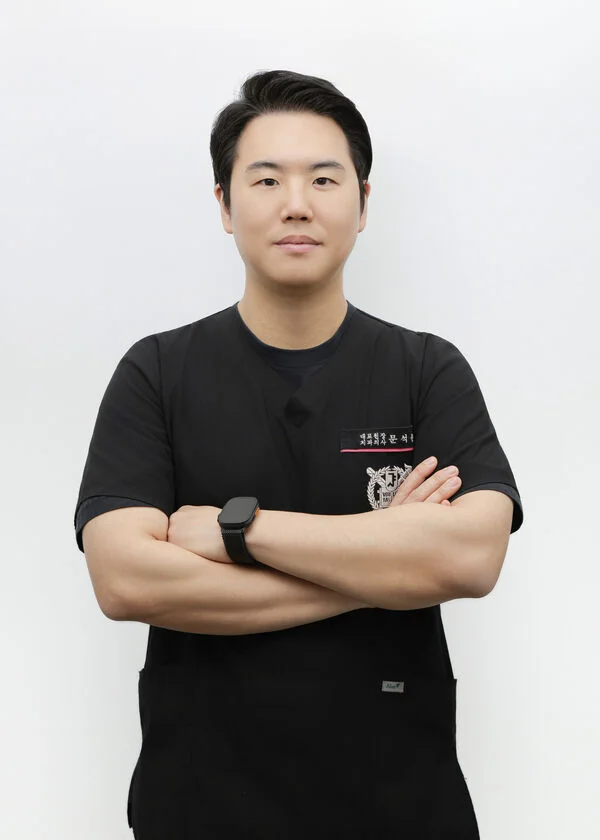
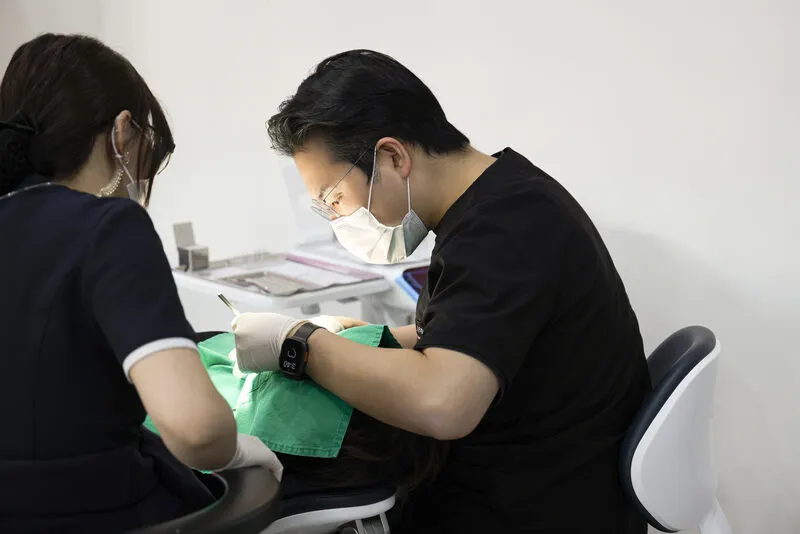
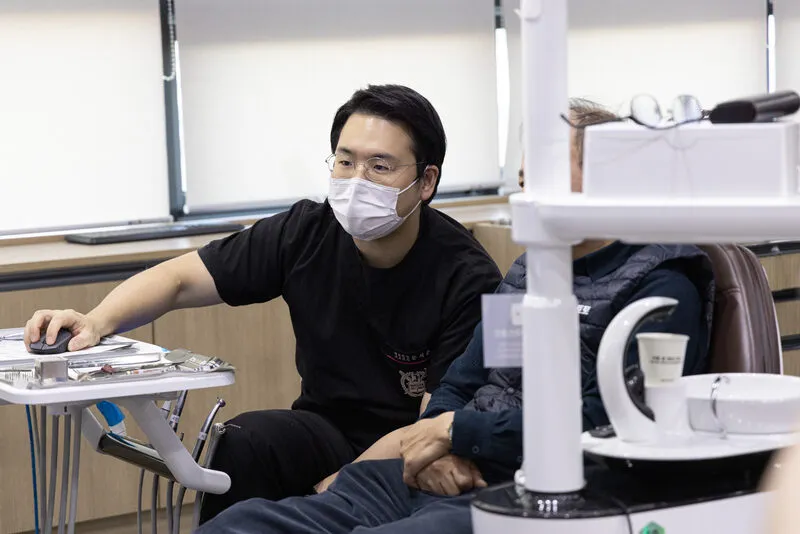
Why I chose this path
When I went to the dentist as a child, the waiting time scared me more than the treatment. The treatment room's chilly air, the whir of the machines, procedures beginning without explanation. I, too, as a child, was a scared, anxious scaredy-cat about the dentist. That experience left me with one question.
When I decided to become a dentist, what came to mind before technique was the person's feelings. dental phobiawith dental phobia, I hoped that here those with a lot of fear could feel even a bit more at ease; that explanations would be thorough, and that we would create an environment where patients can make every decision for themselves.
Specialties: Dental Implant · Precision Diagnosis
The care I'm most confident in is Dental Implant, and what I value even more is accurate diagnosis. More important than the skill of placing a tooth is knowing when to do it, which method is right, and whether that treatment will benefit this patient in the long term.
but a dentist who can accurately determine the path most beneficial for the patientI want to be."
Treatment Style — A customized, go-at-your-pace approach for the fearful
If I were to put my treatment style in one sentence, it would be this.
Many people are afraid of the dentist. dental phobiais nothing to be ashamed of. Especially for those who have put things off for a long time, anxietyand tension rise significantly. That's why I view the process of calming the mind as just as important a part of care as the treatment itself. More important than speed is "treatment that proceeds at a pace the patient can handle".
Treatment Philosophy — We respect dental phobia and those feelings
I never take a patient's feelings lightly during treatment. For those who fear even anesthesia, or at just the sounds of the clinic fear and anxietytremble, and even those who find it hard to open their mouth. Dental Phobiais not their fault—it’s a mark left by past experiences.
These words are the core of my care philosophy—and my promise.
Advice for patients
Dental care doesn’t end at the clinic—it starts at home. Routine basics like your Scaling (Dental Cleaning) interval, using an interdental brush, and everyday gum care habits determine more than half of the overall outcome. I believe the ability to care for yourself matters even more than in-office treatment.
Current interests
Lately, I’ve been working to increase the predictability of Dental Implants through digital diagnostic and surgical systems, and designing the patient experience PRM(Patient Relationship Management)in these areas, I’m deeply immersed. Good treatment and a good experience don’t exist separately. I believe they’re only complete when they work together.
A bit about me
I’m usually calm and quiet, but when it comes to creating and improving new things, I’m full of energy. Because I genuinely listen to patients until they’ve finished, my colleagues call me "someone who really listens."
Outside the treatment room, I enjoy work like branding and marketing—'designing intangible experiences'. I find great joy in shaping our clinic’s experience structure and building new systems. Above all, time with my family gives me my greatest inspiration and strength.