Does relapse mean I did something wrong?
Not necessarily. Teeth can change over time; retainers, growth, tissues and the bite need assessment without blame.
Before choosing treatment, start with what worries you
Seeing a tooth move after treatment can bring frustration, guilt and the fear of paying for the same result twice. Perhaps a retainer stopped fitting, a wire detached or your bite now feels different. You deserve an explanation before another appliance. Relapse alone does not prove you failed or that the original treatment was wrong.
You can take time to understand your options before deciding.
Not necessarily. Teeth can change over time; retainers, growth, tissues and the bite need assessment without blame.
Some concerns suit limited treatment, while others require a broader plan or monitoring.
Current roots and gums must be assessed. Prior treatment does not make every case automatically safe or unsuitable.
A targeted reassessment can identify whether a limited correction or other response is appropriate.
Further movement carries tissue risks and another commitment to appointments, cost and retention.
Balance the size of the concern with current root and gum health, bite objectives and a sustainable retention plan.
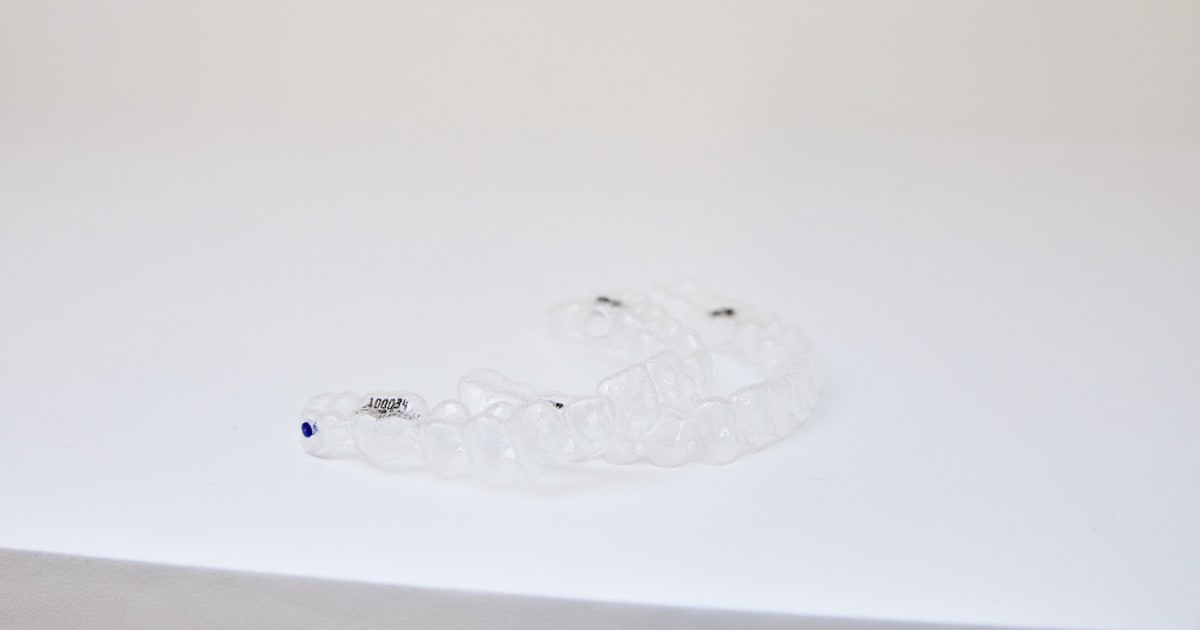
Compare current alignment and bite with earlier records when available. Teeth can change position over time, and retention problems are one part of the assessment. Check gum health, supporting bone and roots, including previous root changes. Active gum disease or significant structural concerns may need attention before further movement is considered.
A small change may suit a limited objective, but the whole bite still needs evaluation. A broader bite problem may need more extensive treatment. Aligners and fixed braces are options rather than automatic solutions. Ask what each plan would improve, which compromises remain and whether the expected benefit justifies another period of movement.
Discuss why the previous retention routine became difficult without blame. A new plan should include retainer fit, repair, replacement and ongoing reviews. Do not force a painful retainer or one that does not seat fully. Clarify visits, refinements, retention and the possibility of changing the objective before agreeing to a new estimate.
Specific relapse concerns may be addressed without automatically repeating the whole original plan.
Reviewing earlier records and retention difficulties can make the new goals more realistic.
Root resorption, gum problems and repeat relapse are possible; outcomes cannot be guaranteed.
A limited cosmetic correction may leave wider bite problems unchanged.
Describe when you notice the problem, what you hope will change, and any previous experience you do not want to repeat.
Ask which choices are suitable after examination, what each can and cannot change, and whether another problem needs attention first.
Separate assessment, active treatment, healing or adaptation, and follow-up. Ask what would make the plan change.
Check home care, review appointments and a route to advice. Long-term care can remain important after active treatment ends.
Bring previous records and all current retainers, including a damaged or poorly fitting one.
Contact the team about a retainer that hurts or fails to seat; do not force it or adjust wires yourself.
Ask which examinations, temporary stages, final treatment, retainers or maintenance, and repairs are included. The scope depends on your findings and chosen plan. A headline price cannot describe every person’s total cost. Ask how a change in the plan would be explained and agreed before it goes ahead.
Clinic fee information →Bring previous records if you have them, your medication list and the practical limits on travel or time off work. Ask what each visit is for, what may change the timetable, and who to contact if something feels wrong. You do not need to promise to start treatment at the first conversation.
Location and visiting information →Do not force it if it is painful or does not fit fully. The current position and retainer need assessment first.
No. Required movements and bite relationships may need fixed or additional appliances, or a different objective.
No. Scope, root and gum conditions, previous restorations and required follow-up determine the plan.
Discuss an achievable retention routine, checks and replacement arrangements. Retention reduces movement risk but does not promise an unchanging lifetime result.
Read about the clinicians and their areas of practice. In your consultation, ask how the proposed plan answers your own priorities and what remains uncertain. This guide does not establish your diagnosis or promise an individual result.
The clinic is at 14 Buldang 34-gil, Seobuk-gu, Cheonan, South Korea. Ask about appointment arrangements and language support before travelling. This page does not indicate a branch in another city.
These sources explain general clinical principles. They do not verify this clinic’s results or imply that a clinician has reviewed this page. Healthcare systems and fees in other countries differ from Korea.