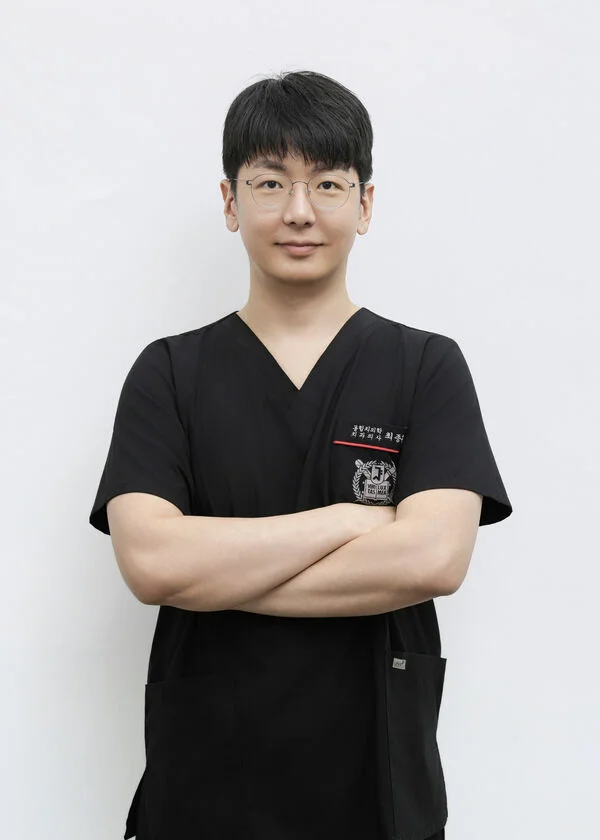
Why I became a dentist
When someone is in pain, I worry first and feel compelled to help in any way I can. So from a young age, I carried a simple wish: "I want to be a doctor who treats what hurts."
Every part of the body matters, but teeth are the first to show—when enjoying great food and when smiling brightly. Treating teeth is not just a medical procedure, but the work of restoring a person’s life, expression, and everyday comfort— that’s how it felt to me, and that sense of fulfillment became the biggest reason I chose this path.
Specialty: Wisdom Tooth extraction
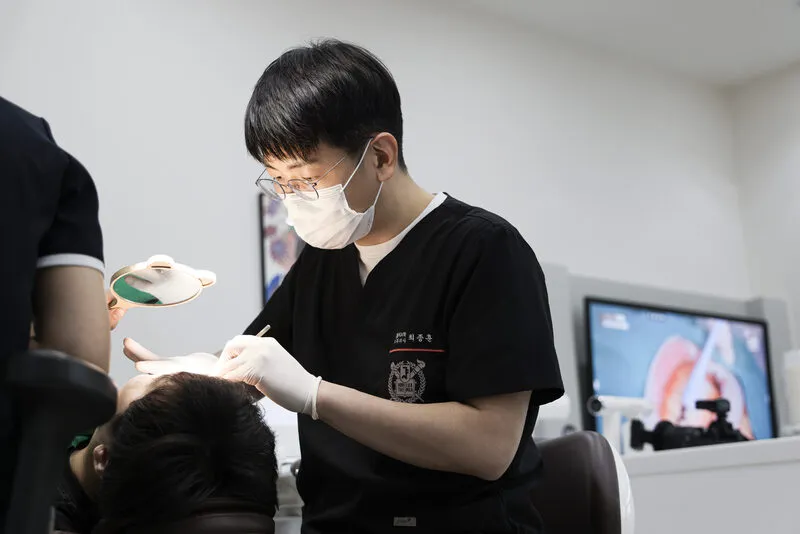
I am particularly experienced and confident in Wisdom Tooth extraction. I have often seen cases where not removing a Wisdom Tooth in time severely damaged the neighboring tooth, so I have practiced with the mindset, "Even if it’s a bit challenging, I should do my best to remove it for you myself."
Of course, when a case clearly requires it, I won’t hesitate to refer you to a higher-level hospital, but my priority is to offer as comfortable an experience as possible for most patients.
Treatment Style
If I had to put my treatment style into one sentence:
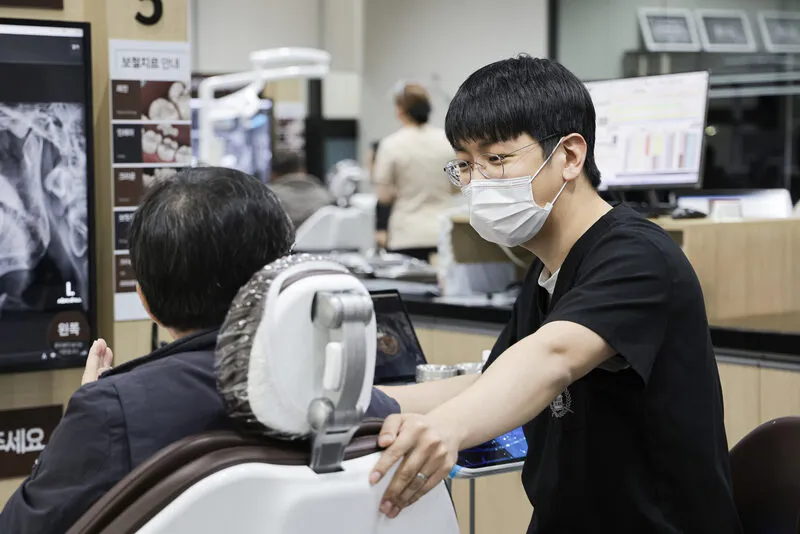
Every patient’s situation and fears are different. That’s why, before any treatment, I make sure to listen to your story and explain, step by step, why the problem happened and how we can address it.
Treatment Philosophy
My most important principles of care are clear.
In the clinic, I meet patients every day with problems big and small. My role is to help solve those problems, "If you’ve come to see me in the clinic, I will make sure you receive treatment that truly helps" That sense of responsibility has become the standard for my care.
That’s less about grand service or philanthropy and more about my attitude as a dentist.
Advice I Give Patients
The advice I give most often is surprisingly simple—just one sentence.
Many people, surprisingly, clench unconsciously in daily life. Even when your teeth and gums are otherwise healthy, I see every day that this habit can lead to cracked or fractured teeth, notches near the gumline, and tooth sensitivity.
It’s one of the simplest yet most powerful ways to protect the teeth you’ll need for life.
A Memorable Patient
The most memorable patient came in with severe decay on almost all teeth. At a previous dental office, they were told "This happened because you didn’t take care of your teeth," and "You need to have all your teeth extracted," which frightened them so much that they avoided the dentist for a long time, until they finally gathered the courage to visit us.
First, I told them that just finding the courage to come in was more than enough, and I carefully explained that we would save as many teeth as possible and restore the gums together. "You don’t have to extract everything," When they heard those words, I still remember the look of relief on their face.
From that, I realized something. What patients sometimes need is not to be told 'give up,' but to have someone reach out a hand and say, "Let’s look for a better future together," is what truly helps.
Current Interests
Recently, how to perform Wisdom Tooth extraction more safely and with less pain and I’ve been studying this consistently. Because Wisdom Tooth extraction can involve higher risks and more discomfort than other treatments, I never allow myself to be complacent about improving techniques.
A personal side
People around me say I don’t say things just because they can be said, that I listen well and empathize. I believe that’s why patients feel comfortable in the treatment room, too.
Outside of work, raising my adorable 10-month-old is my greatest joy and main interest. I used to enjoy golf and bowling, but now time with my child brings me more happiness and comfort than any hobby. 👶